
Offa’s Dyke Path Guide 2025: Tips, Routes & Hiking Advice
Katherine Burton
Sep 22, 2025
Tips for Hiking Offa’s Dyke Path
The Offa’s Dyke Path is one of Britain’s most iconic long-distance walks. Stretching across the borderlands of England and Wales, this historic trail combines breathtaking scenery, rich heritage, and the thrill of a walking adventure. Whether you plan to complete the whole route or enjoy a shorter section, perhaps starting where many walkers begin and explore Knighton, preparing well will make your Offa’s Dyke walk an unforgettable journey.
In this guide, you will find practical tips, route information, safety advice, and insider recommendations to help you get the most out of the Offa Dyke Path.
reparing for Your Hike
Before setting out on the Offa Dyke Path, it is essential to prepare both physically and mentally. This is a demanding trail of 177 miles (285 km), so even if you only intend to cover a short section, preparation will improve your enjoyment.
Planning ahead will allow you to pace yourself, avoid common mistakes, and make the most of the unique experiences that the Offa’s Dyke walk offers.
Preparation should include both logistics and essentials. Book your accommodation well in advance, especially in popular towns along the route such as Knighton, Hay-on-Wye, or Prestatyn, as rooms can fill up quickly during walking season.
Book directly at The Knighton Hotel and enjoy exclusive savings of up to 10%. Stay longer and save more, with weekly discounts starting from 15% and monthly stays reduced by up to 25%.

Essential Gear
Walking the Offa Dyke Path requires good equipment. Start with a sturdy pair of walking boots, ideally waterproof and already broken in. Many sections of the trail can be muddy or uneven, so supportive footwear prevents blisters and injuries.
A lightweight waterproof jacket is another must, as Welsh and English weather can change quickly. Carry a rucksack with a hydration system or reusable water bottles, plus high-energy snacks like nuts or dried fruit.
Don’t forget essentials such as a map or GPS device, a head torch for low-light conditions, a small first aid kit, and walking poles for steep climbs. These items will make your journey on the Offa’s Dyke Path safer and more comfortable.
Weather Considerations
The climate along the Offa Dyke Path can be unpredictable. In summer, conditions are generally mild, with long daylight hours, but sudden rain showers are common, with average temperatures ranging from 15°C to 22°C.
Spring and autumn bring cooler temperatures, usually between 8°C and 15°C, while winter can be harsh, with icy paths, shorter days, and average temperatures often dropping to 0°C to 6°C.
Always check the forecast before setting out and prepare for all eventualities. Waterproof layers, sun cream, and hats are equally important, depending on the season. Experienced walkers often say: “Expect sunshine, wind, and rain all in the same day.” This saying certainly applies to the Offa’s Dyke walk.
Physical Conditioning
The Offa Dyke Path includes both gentle river valleys and demanding upland ridges. To enjoy the trail, train your body beforehand. Start with shorter hikes on hilly terrain, gradually increasing distance and weight carried in your rucksack. Strengthening your legs, core, and cardiovascular fitness will make the longer days less tiring. Simple exercises such as squats, lunges, and brisk walking will help you adapt to the physical challenge of the Offa’s Dyke Path.
Nutrition is just as important as physical training. On long-distance trails, your body burns far more calories than on an ordinary day, so eating regularly keeps your energy levels steady. Pack lightweight but filling snacks such as nuts, dried fruit, flapjacks, or oat bars, which are easy to eat on the move. Sandwiches, wraps, and cheese also travel well and provide slow-release energy for the tougher climbs. Hydration is vital, so carry a reusable water bottle or hydration bladder, and consider adding electrolytes if you are walking in hot weather.
Along the Offa’s Dyke Path, you’ll pass through towns and villages where you can restock supplies or enjoy a hot meal in a pub or café. Many walkers plan their day around these stops, combining trail snacks with a more substantial lunch or dinner indoors. Eating little and often works best on the trail! Don’t wait until you are exhausted to refuel. By preparing your food strategy in advance, you’ll avoid fatigue and make the most of every step of your Offa’s Dyke walk.
Route Information
The Offa Dyke Path stretches from Sedbury near Chepstow in the south to Prestatyn on the north Wales coast. It crosses the border between England and Wales more than 20 times, passing through eight counties.
Along the way, you will experience three Areas of Outstanding Natural Beauty: the Wye Valley, the Shropshire Hills, and the Clwydian Range and Dee Valley. These regions make the Offa’s Dyke walk not just a physical challenge but also a cultural and scenic journey through some of the UK’s most beautiful landscapes.
The Wye Valley
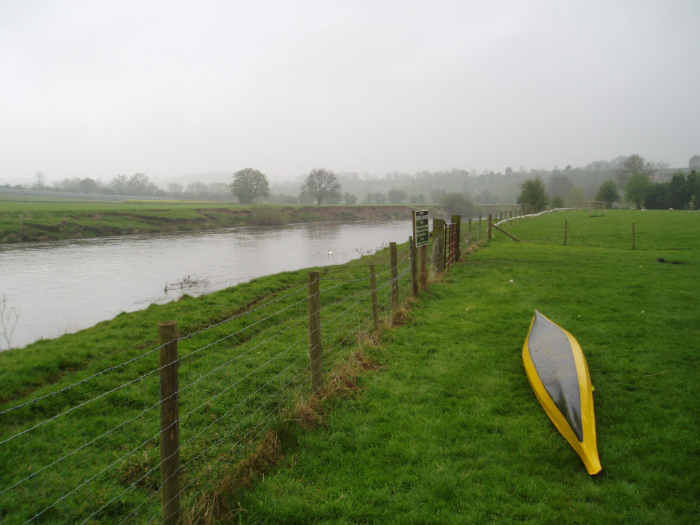
The Offa’s Dyke Path begins by leading you through the Wye Valley, an officially designated Area of Outstanding Natural Beauty (AONB). Known for its dramatic limestone gorges, wooded hillsides, and the meandering River Wye, this region has long inspired poets, painters, and travellers. The valley is also rich in history, featuring Tintern Abbey, Norman castles, and picturesque riverside villages. Walking here offers a blend of cultural heritage and natural splendour, making it one of the most atmospheric parts of the trail.
The Shropshire Hills
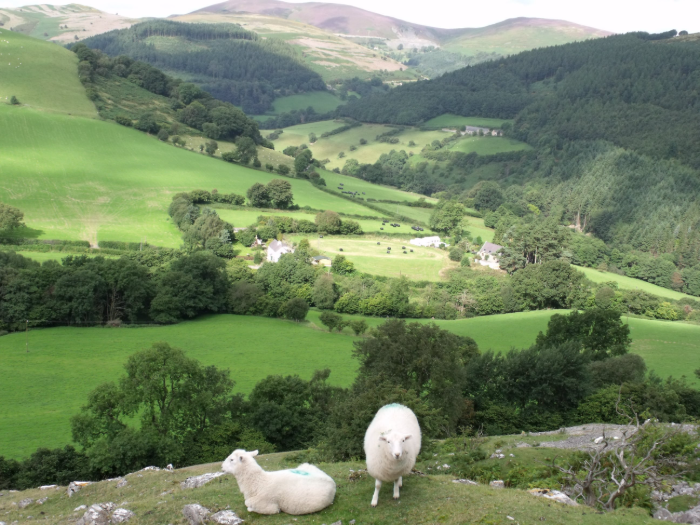
As the path continues north, it enters the Shropshire Hills, another AONB celebrated for its rolling hills, ancient woodlands, and wide open views. This area is dotted with Iron Age hillforts, such as Caer Caradoc and the Long Mynd, which add a sense of timelessness to the journey. The quiet, rural character of the Shropshire Hills makes it a perfect place to reflect while walking, and its varied terrain provides a rewarding physical challenge.
For history lovers, don’t miss the chance to explore Clun Castle: A Norman Fortress in Shropshire, which adds another layer of heritage to this remarkable landscape.

The Clwydian Range and Dee Valley
Near the northern end of the Offa’s Dyke Path lies the Clwydian Range and Dee Valley AONB, a region of sweeping ridgelines, purple heather moorlands, and dramatic hillforts like Moel Famau. This area offers some of the most striking panoramic views along the trail, stretching across North Wales and into Cheshire. The Dee Valley also adds cultural depth, with charming towns like Llangollen, known for its canal, aqueduct, and music festivals. For many walkers, this section feels like a grand finale to the journey, combining rugged beauty with vibrant local culture.

Popular Sections of the Offa’s Dyke Path
While some hikers walk the entire length of the Offa Dyke Path, many choose specific sections:
Knighton to Kington (13 miles)
This stretch is often described as one of the most scenic parts of the Offa’s Dyke Path. Starting in Knighton, known as the “Town on the Dyke,” you’ll find the Offa’s Dyke Centre, which is a great place to learn about the history of the trail before setting off.
The route quickly takes you into rolling farmland and open hillsides, offering panoramic views of the surrounding countryside. Popular stopping points include Hawthorn Hill and Rushock Hill, both giving you sweeping outlooks across the Welsh borderlands.
Arriving in Kington, you’ll be rewarded with a charming market town that makes for a perfect overnight stay. For the return journey, buses connect Kington and Knighton, or you can arrange local taxi services if you prefer a quicker route back.
Hay-on-Wye to Knighton
This section combines cultural charm with natural beauty. Starting in Hay-on-Wye, the world-famous “Town of Books,” you’ll find yourself surrounded by independent bookshops, cosy cafés, and riverside walks along the River Wye.
The path then climbs into the hills, with stretches of peaceful woodland and ridge walking that provide dramatic views. Along the way, places like Newchurch and Ditchyeld Bridge offer lovely rest spots.
Approaching Knighton, the trail becomes more rugged, with the countryside opening up into classic border landscapes. Returning can be arranged via bus connections between Hay-on-Wye and Knighton, or you can extend your stay in either town to soak up the culture and atmosphere.
Clwydian Range
Towards the northern end of the Offa’s Dyke Path, the Clwydian Range offers some of the most exhilarating ridge walking in Wales. Starting points vary, but many hikers begin near Llangollen or Bodfari, depending on the length of walk they want to cover.
Highlights include climbing Moel Famau, the highest peak in the range, topped with the Jubilee Tower and offering far-reaching views over Snowdonia, the Dee Valley, and even into Cheshire on a clear day. The landscape is a mix of heather-clad hills, ancient hillforts, and wide-open skies, making it a favourite for both short day hikes and longer treks. Returning can be managed via local transport to nearby towns such as Mold or Ruthin, or you can loop back along connecting trails.
Sedbury Cliffs to Monmouth
For beginners or those short on time, the section from Sedbury Cliffs (near Chepstow) to Monmouth provides a perfect introduction to the Offa’s Dyke Path. Starting at the dramatic cliffs overlooking the Severn Estuary, you’ll walk through gently undulating countryside, with highlights including the ruins of Tintern Abbey, lush riverside meadows, and the market town of Chepstow. Monmouth, your endpoint, is rich in history with its medieval gatehouse bridge and links to King Henry V. This route is well-connected, with buses and trains linking Chepstow, Monmouth, and nearby cities, making the return trip simple.
These sections combine accessibility with striking scenery, making them popular among day hikers and families.
Difficulty Levels and Terrain
The Offa Dyke Path offers varied terrain. Some parts are relatively easy, following gentle valleys and meadows. Others are more demanding, with steep climbs, exposed ridges, and rough ground.
The southern sections near the Wye Valley are manageable for beginners, while the upland stretches in the Black Mountains and Clwydian Hills test endurance. Understanding the difficulty level of each part will help you plan your Offa’s Dyke walk realistically.
Trail Markings and Navigation
The Offa Dyke Path is a designated National Trail, marked with acorn symbols on posts. These markers guide walkers along the route, but in some areas, signage can be sparse. Carrying a map or using a trail app is strongly advised.
Digital maps are helpful, but traditional paper maps never run out of battery. Learning basic navigation skills adds confidence and ensures you don’t lose your way during your Offa’s Dyke walk. Check Offa’s Dyke map and information here.
Safety on the Offa’s Dyke Path
Safety is essential when walking the Offa’s Dyke Path. The route crosses remote hills, farmland, and valleys, so preparation and awareness are key. A little planning not only helps you stay safe but also ensures a more enjoyable and stress-free journey.
- Tell someone your plans: Share your route and expected return time with a friend or family member.
- Stay connected: Carry a fully charged mobile phone, but keep in mind that signal may be weak in remote areas.
- Follow the path: Stick to the waymarked route, especially during poor visibility or bad weather.
- Be cautious around livestock: Take care when crossing fields and give animals plenty of space.
- Respect farmland: Always close gates behind you and avoid damaging fences or property.
By following these tips, your Offa’s Dyke walk will remain safe and enjoyable.
Understanding Local Wildlife
Wildlife adds richness to the Offa Dyke Path experience. Walkers may spot red kites circling above, hear skylarks on the ridges, or see badgers and foxes at dusk. The path also crosses areas rich in wildflowers, from bluebells in spring to heather in late summer.
Respecting wildlife means keeping dogs on leads, not picking plants, and observing animals quietly. These encounters make the Offa’s Dyke walk memorable and highlight the natural beauty of the borderlands.
Emergency Contacts
Although the Offa Dyke Path feels remote, help is available if needed. In an emergency, dial 999 and ask for Mountain Rescue if you are in upland areas. Local tourist information centres can also provide advice and assistance.
Save important numbers in your phone before you start your Offa’s Dyke walk. Preparation ensures peace of mind should difficulties arise.
What to Do in Case of Bad Weather
Bad weather can turn the Offa Dyke Path into a challenge. If caught in heavy rain, find safe shelter and avoid exposed ridges. In storms, never remain on high ground. If paths become flooded or icy, consider changing your route or delaying your hike.
Flexibility is key. The Offa’s Dyke walk rewards patience and caution, ensuring your safety comes before distance covered.
Accommodations Along the Trail
Accommodation options are plentiful along the Offa Dyke Path, ranging from cosy bed-and-breakfasts to welcoming hotels. Many establishments cater specifically to walkers, offering packed lunches, drying rooms, and trail advice.
Staying in local accommodation supports borderland communities and provides comfort after a long day on the Offa’s Dyke walk.
Stay at The Knighton Hotel
One of the most convenient and comfortable places to stay on the trail is The Knighton Hotel. Perfectly located in the heart of Knighton, the “Town on the Dyke”, it makes an ideal stopover for walkers tackling the central section of the path.

At The Knighton Hotel, we offer 17 comfortable rooms in a variety of styles. from single rooms to superior two-bedroom apartments. catering to solo travellers, couples, families, and groups. Each space is designed with guest comfort in mind, combining modern amenities with a warm, inviting atmosphere in the scenic heart of Knighton, Powys.

Room Types
Standard Rooms
Perfect for solo travellers or couples, our standard rooms offer a cosy and private space with:
- Comfortable bed
- Flat-screen TV
- Private bathroom
Superior Rooms
Ideal for those seeking more space, our superior rooms feature:
- King-size bed
- Seating area
- Work desk
Deluxe Rooms take comfort a step further, adding:
- Spacious layout
- Private balcony with stunning views of the surrounding hills
Suites
For the ultimate retreat, our suites provide:
- Separate living room
- King-size bed
- Private balcony
- Whirlpool bath
- Perfect for couples celebrating a special occasion or families needing extra space and privacy.

In-Room Amenities
All rooms come with modern conveniences, including:
- Flat-screen TV
- Work desk
- Small fridge
- Wi-Fi
- Private bathroom with shower or bathtub
Hotel Amenities
- Wi-Fi
- Cable TV
- Laptop-friendly work table
- Heating
- Towels & bed linen (replenishable at additional cost)
- Hot water
- Hair dryer
- Hangers
- Smoke alarms
- First aid kit
- Tea/coffee setup
- Waste bins
Additional Information
- The Knighton Hotel is an alcohol-free establishment.
- Pets are welcome at £8 per night.

Camping vs. Lodging
Some hikers prefer the independence of camping, while others enjoy the comfort of lodgings. Wild camping along the Offa Dyke Path is restricted, so always seek permission from landowners. Designated campsites are available and often offer scenic settings.
For those who favour warm beds and hot showers, lodgings in towns like Knighton, Hay-on-Wye, or Prestatyn are excellent. Both choices enhance the Offa’s Dyke walk, depending on personal preference.
Recommendations for Stays
- Knighton: Known as the “Gateway to the Offa’s Dyke Path”, with the Offa’s Dyke Centre nearby.
- Hay-on-Wye: A literary town with unique charm and plenty of accommodation options.
- Prestatyn: Perfect for those finishing the northern end of the trail.
Wherever you stay, book early during peak walking season to secure a place along the Offa’s Dyke walk.
Booking in Advance
The Offa Dyke Path is popular, especially in summer. Booking accommodation in advance avoids disappointment. Some walkers plan their itinerary months ahead, ensuring a bed each night.
Even if you enjoy flexibility, reserving key stops on your Offa’s Dyke walk is highly recommended.
Enhancing Your Experience
Walking the Offa Dyke Path is not just about covering miles. Enhancing your journey means taking time to enjoy the heritage, scenery, and local life. Stop at information boards, visit museums, and chat with residents who keep traditions alive along the border.
- Offa’s Dyke Centre (Knighton, Powys): A visitor centre and museum dedicated to the history of King Offa and the Dyke, with exhibitions, maps, and trail information.
- Kington Museum (Herefordshire): A small community museum showcasing local history, farming tools, and artifacts from the border region.
- Judge’s Lodging Museum (Presteigne, Powys): A restored Victorian courthouse and judge’s residence, offering a glimpse into 19th-century law and domestic life.
- Abergavenny Museum (Monmouthshire): Housed in a Norman castle, with displays on local archaeology, history, and geology.
- Chepstow Museum (Monmouthshire): Focuses on the history of Chepstow and the Wye Valley, including maritime heritage and local trade.
- Monmouth Regimental Museum (Monmouth, Monmouthshire): Tells the story of the Royal Monmouthshire Royal Engineers, Britain’s oldest regiment of the Reserve Army.
- Llangollen Museum (Denbighshire): Features local history from prehistoric times to the Industrial Revolution, including exhibits on the famous Pontcysyllte Aqueduct.
- Ruthin Gaol (Denbighshire): A fascinating Victorian prison museum with interactive displays and stories of its inmates.
This cultural dimension transforms the Offa’s Dyke walk into a richer experience.
Local Attractions Near the Offa’s Dyke Path
Beyond the path itself, numerous attractions await:
- Pontcysyllte Aqueduct: A UNESCO World Heritage Site carrying the Llangollen Canal high above the River Dee.
- Tintern Abbey: Iconic Cistercian abbey ruins in the Wye Valley, full of history and atmosphere.
- Hereford Cathedral: Home to the famous Mappa Mundi, a medieval map of the world.
- White Castle: A striking Norman fortress near Abergavenny, with impressive stone walls.
- Castell Dinas Brân (Llangollen): Romantic hilltop castle ruins offering panoramic views of the Dee Valley.
- Old Oswestry Hillfort: One of Britain’s best-preserved Iron Age hillforts, just outside Oswestry.
- Monmouth’s Medieval Bridge: The only fortified bridge in Britain with its gatehouse still standing.
- Presteigne’s Judge’s Lodging: A Victorian courthouse and residence, often called “the most remarkable courthouse in Britain.”
- Moel Famau: The highest peak in the Clwydian Range, crowned with the Jubilee Tower.
- Grosmont Castle: A hidden gem in Monmouthshire’s countryside, part of the Three Castles defensive system.
These sites make the Offa’s Dyke walk more than just a hike; they create a journey through time and culture.
Photography Tips for Capturing the Journey
The Offa Dyke Path offers endless photographic opportunities. Early mornings bring misty valleys, while evenings provide golden sunsets over ridges. Carry a compact camera or smartphone to capture spontaneous moments.
For better results, use natural light, focus on details like stone walls and wildflowers, and include human subjects to show scale. Sharing these images will keep the memories of your Offa’s Dyke walk alive long after the hike is over.
Conclusion
The Offa’s Dyke Path is far more than a walk; it is a journey through landscapes, history, and culture. From preparing your gear to spotting wildlife and discovering local attractions, every step reveals something new.
Whether you choose a short section or commit to the full 177 miles, the Offa’s Dyke walk is one of Britain’s most rewarding adventures. With careful planning, respect for nature, and a spirit of exploration, the Offa Dyke Path will leave you with memories to last a lifetime.
Tags:activities
Katherine Burton